Asphalt Repair vs. Asphalt Replacement: What Property Owners Should Know
Property owners seeking asphalt repair or replacement can rely on local contractors to assess damage and recommend the best solution for durable, long-lasting results.
If property owners are exploring options for maintaining or improving their asphalt surfaces, understanding the differences between asphalt repair and asphalt replacement is essential. Whether dealing with small cracks, potholes, or more extensive damage, making informed decisions can help preserve the property's value and safety. Local contractors who specialize in asphalt services can assess the condition of existing pavement and recommend practical solutions tailored to specific needs, ensuring that repairs are effective and long-lasting.
Many property owners in the area find themselves weighing whether to repair or replace their asphalt surfaces to avoid costly issues down the line. Recognizing the signs that indicate a repair might suffice versus when a full replacement is necessary can save time and resources. Service providers in the community are equipped to guide property owners through these choices, offering expertise that helps maintain the integrity and appearance of their asphalt surfaces. Keep reading to discover key factors that can influence the decision-making process and learn how local professionals can assist with both repair and replacement projects.
- Cracked asphalt - property owners noticing surface cracking may need asphalt repair, which local contractors typically approach with patching or sealing to extend pavement life.
- Potholes or surface damage - significant potholes or localized damage can often be fixed through professional asphalt repair methods, avoiding the need for complete replacement.
- Surface deterioration - areas showing surface wear or minor raveling might be suitable for asphalt repair, which local service providers perform to restore smoothness and durability.
- Fading or discoloration - cosmetic issues like fading can sometimes be addressed with surface sealing or resurfacing, performed by local pros to improve appearance without full replacement.
- Minor surface unevenness - small-scale unevenness or minor depressions are often corrected through asphalt repair techniques, helping property owners maintain a functional driveway or parking lot.
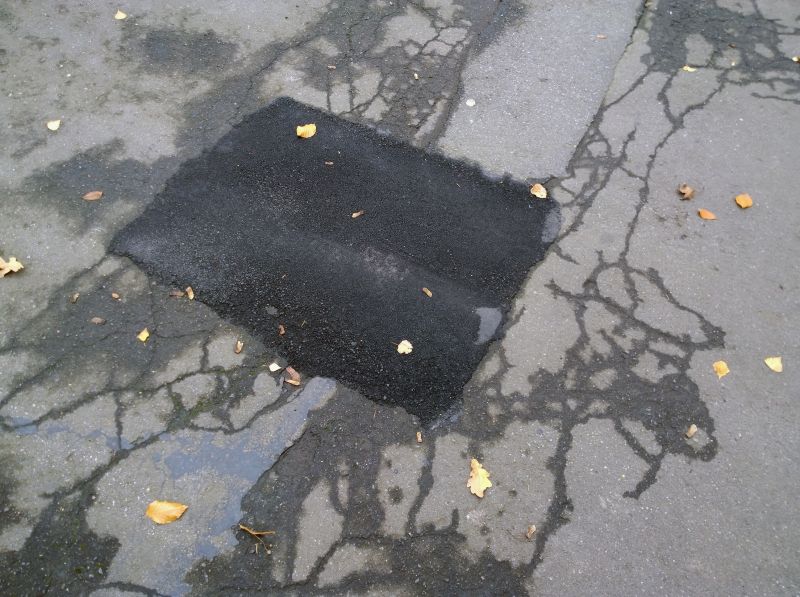
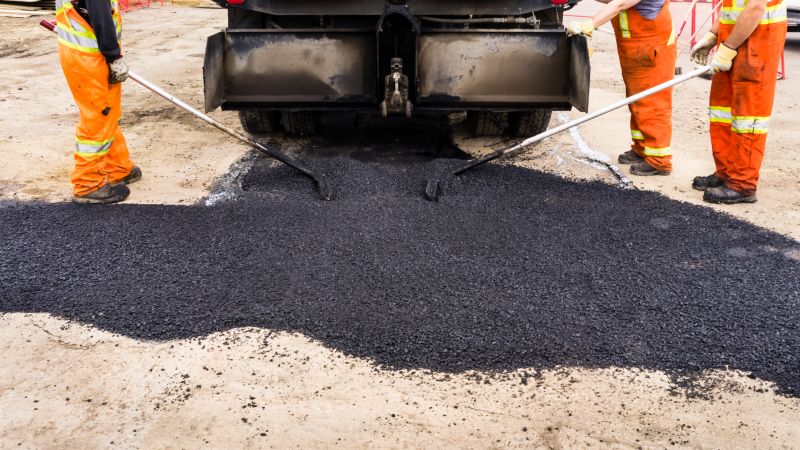
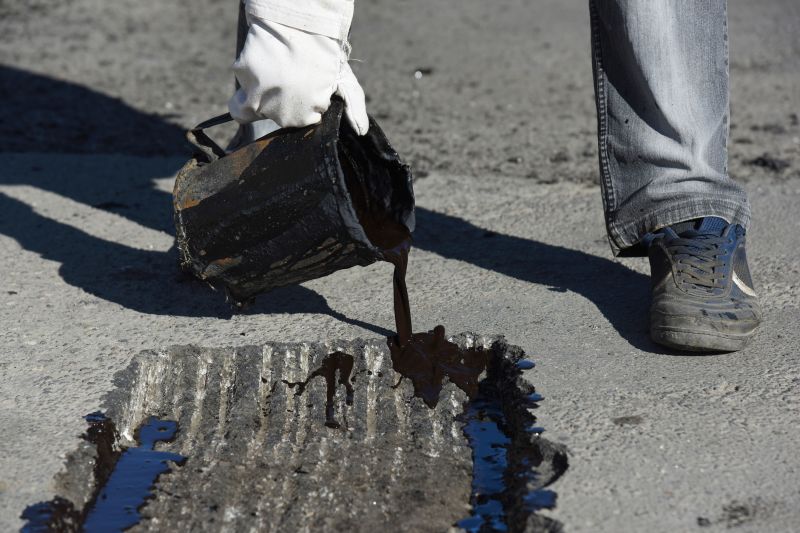
When property owners search for asphalt repair vs. asphalt replacement: what property owners should know, they are typically trying to understand the best way to address issues with their paved surfaces. This topic often comes up when there are visible signs of damage on driveways, parking lots, or other asphalt areas, such as cracks, potholes, or surface deterioration. Homeowners and business owners want to know whether a simple repair can restore the surface or if a full replacement is necessary. The decision depends on the extent of the damage, the age of the asphalt, and the long-term goals for the property’s appearance and functionality. Local service providers who specialize in asphalt work can evaluate these factors and recommend the most appropriate solution.
This topic relates to a variety of property types and project plans. Residential properties with driveways or private roads often face issues like cracking or surface wear that may be addressed through targeted repairs. Commercial properties, including retail centers, office complexes, and parking garages, frequently need repairs to maintain safety and accessibility. In some cases, extensive damage or outdated asphalt may require complete replacement to meet current standards and improve property value. Property owners planning for renovations, upgrades, or new installations also consider whether repairs will suffice or if a full replacement makes more sense. Local contractors familiar with different property types can help determine the best approach based on the specific conditions and goals.
Asphalt repair and replacement are connected to different problem scenarios and project plans. Repair work typically involves fixing localized issues such as cracks, potholes, or surface roughness to extend the lifespan of the asphalt. This approach is suitable when damage is limited and the underlying structure remains sound. Replacement, on the other hand, involves removing the existing asphalt and installing a new surface, often necessary when repairs would be ineffective or when the surface has reached the end of its useful life. Property owners may also plan for replacement if they want to upgrade the appearance or improve the durability of their paved areas. Local asphalt contractors can assess the severity of the damage and guide property owners toward the most practical and cost-effective solution.
The decision between asphalt repair and replacement is influenced by the property's characteristics and the scope of work needed. For example, a residential driveway with minor cracks might only require patching or sealing, while a heavily deteriorated parking lot with widespread potholes may need complete resurfacing. The age of the asphalt and the level of structural damage also play a role; older surfaces with significant base failure often warrant replacement to prevent recurring problems. Property owners should consider their long-term plans for the property, as repairs can be a quick fix, but replacement might be necessary for more durable, long-lasting results. Local service providers are equipped to evaluate these factors and provide tailored recommendations to ensure the right solution is chosen for each project.
Pothole Repair - this project involves fixing localized damage in asphalt surfaces, requiring similar skills and tools as asphalt repair or replacement decisions.
Driveway Resurfacing - resurfacing involves applying a new layer of asphalt or overlay, closely related to repair techniques and planning considerations for property owners.
Crack Sealing - sealing cracks helps prevent further damage and is a common step in asphalt maintenance, aligning with repair methods discussed in asphalt repair vs. asphalt replacement.
Parking Lot Paving - installing or restoring parking lots involves planning and skill sets similar to those used in larger asphalt repair projects.
Asphalt Overlay Projects - overlaying existing asphalt surfaces requires careful assessment and preparation, similar to choosing between repair and replacement.
Surface Milling and Grinding - this process prepares asphalt surfaces for repairs or overlays, involving planning and tools comparable to those used in asphalt repair services.
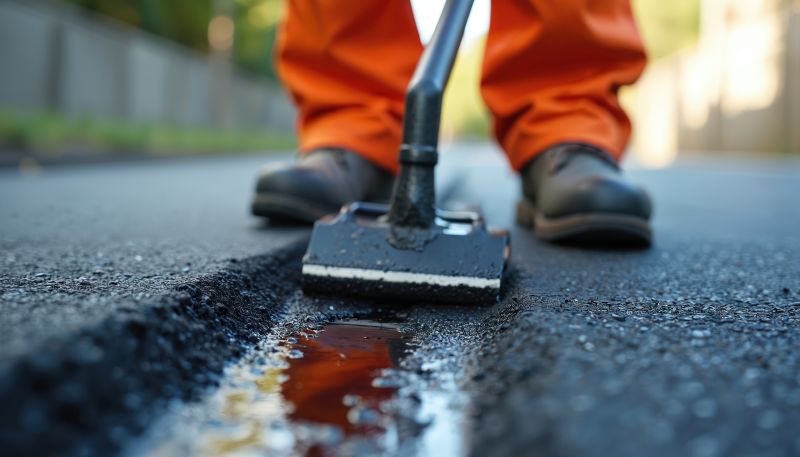
When comparing asphalt repair services, property owners should prioritize contractors with extensive experience handling similar projects. An experienced local contractor will understand the nuances of asphalt repair versus asphalt replacement and be able to recommend the most appropriate solution based on the specific condition of the pavement. It’s helpful to seek out service providers who can demonstrate a history of successful repairs on properties comparable in size, usage, and age, as this indicates familiarity with the challenges and best practices for your particular situation.
Clear, written expectations are essential when evaluating asphalt repair options. Reputable local contractors should provide detailed descriptions of the work involved, including what the repair process entails, the materials used, and the expected outcomes. This transparency helps property owners understand the scope of the project and make informed decisions. Additionally, well-defined expectations can prevent misunderstandings and ensure that both parties are aligned on the goals of the repair, whether it’s addressing cracks, potholes, or surface deterioration.
Reputable references and strong communication are key indicators of a reliable service provider. Property owners should seek out contractors who can offer references from previous clients with similar projects, providing insight into their professionalism and quality of work. Good communication throughout the process-such as timely responses to questions and clarity about the work plan-builds trust and helps ensure the project proceeds smoothly. Ultimately, choosing a local contractor with a track record of satisfied clients and transparent communication can lead to a more successful asphalt repair experience.
Property owners often search for asphalt repair vs. asphalt replacement: what property owners should know when they are planning practical projects around their homes and businesses. Local pros provide Asphalt Repair services for everyday jobs and straightforward project options.
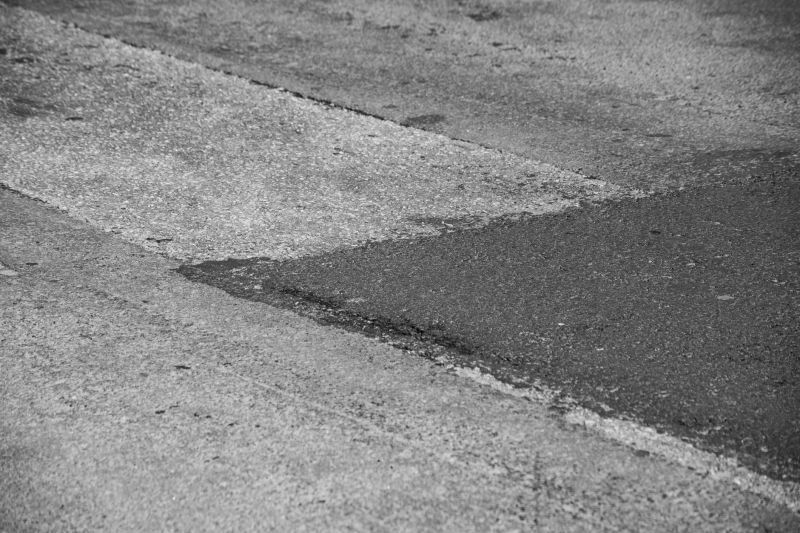
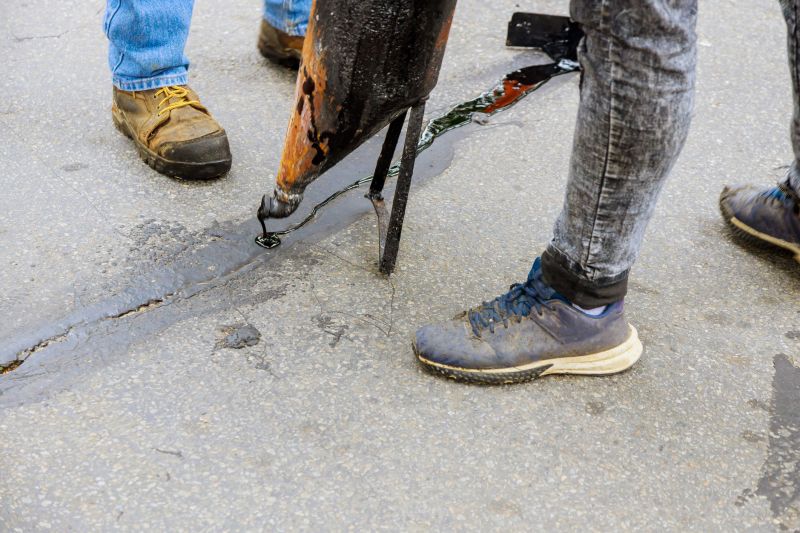
Property owners often turn to resources exploring asphalt repair versus asphalt replacement to determine the best solution for damaged or aging pavement. Common situations include small cracks, potholes, or surface deterioration that can be addressed through repair, helping to extend the life of existing asphalt. When considering these options, many look for local contractors who can evaluate the condition of their driveway, parking lot, or walkway and recommend whether a simple repair will suffice or if a full replacement might be necessary.
Understanding the differences between asphalt repair and replacement can help property owners make informed decisions about maintaining their property’s appearance and safety. Local service providers can handle repairs such as patching or crack sealing for minor issues, while larger projects like complete removal and replacement are suited for extensive damage. Consulting with experienced local contractors ensures that the right approach is taken based on the specific condition of the asphalt, helping property owners preserve their investment effectively.
What is the main difference between asphalt repair and asphalt replacement? Asphalt repair involves fixing specific issues like cracks or potholes, while asphalt replacement means removing and installing a new surface entirely. Local contractors can assess which option suits the property's needs best.
When should property owners consider asphalt repair instead of replacement? Repairs are typically suitable for minor damage or surface issues, whereas replacement is recommended for extensive deterioration or structural problems that repairs can't address effectively.
Can asphalt repair extend the lifespan of an existing asphalt surface? Yes, timely repairs can help preserve the integrity of the pavement and delay the need for full replacement, especially when performed by experienced local service providers.
Are there specific signs indicating that asphalt replacement might be necessary? Signs include widespread cracking, significant surface deterioration, or base failure, which often require more extensive work than simple repairs and should be evaluated by local pros.
How do local asphalt repair services determine whether to repair or replace? They assess the extent of damage, the condition of the underlying base, and the overall surface integrity to recommend the most effective and durable solution for property owners.
Assessing damage - property owners can evaluate the extent of cracks or potholes to determine if asphalt repair services are sufficient or if replacement is necessary.
Choosing repair methods - understanding different asphalt repair options helps property owners decide when spot fixes or more extensive repairs are appropriate with local contractors.
Planning for long-term durability - considering the age and condition of existing asphalt can guide property owners on whether repair will extend pavement life or if replacement offers a better solution.
Ensuring proper surface preparation - property owners should prioritize professional surface prep to ensure repairs or replacements are effective and long-lasting with the help of local service providers.
If you are thinking about asphalt repair vs. asphalt replacement: what property owners should know for a property, this guide is meant to help you understand this topic, the typical project types, and how different options might fit your plans.
When you are ready, you can use the quote form on this page to share a few details about your project. From there, local pros can review the basics and follow up with options that match what you have in mind.